Four projects.
Four different rooms.
The same approach.
The context changes across every engagement — healthcare, clinical training, high-stakes team environments, online learning systems. The thinking transfers because the underlying problem is always the same: behavior that hasn't changed, and a system that wasn't built to change it.
Aligning Corporate Learning with Business Goals — Wesley Enhanced Living
Leadership engagement in required training was low across clinical, non-clinical, and leadership teams. Programs existed but weren't aligned with business objectives — content was being delivered, behavior wasn't changing, and no one had diagnosed the gap between the two.
The WorkPartnered with senior leaders and SMEs to redesign how learning was built and communicated. Created a role-specific onboarding plan aligned with organizational initiatives across departments. Built a centralized HR resource hub — one place where clinical, non-clinical, and leadership staff could access policies, development materials, and program resources. Designed the internal communication strategy that changed how training was positioned inside the organization, not just delivered.
Also served as primary developer of a company-wide data depot — making the organization's own information accessible and actionable for staff at every level.
Low engagement in required training is rarely a content problem. It's a trust and relevance problem. Fixing the communication strategy and the infrastructure together changed whether people showed up — and what they did with it when they did.
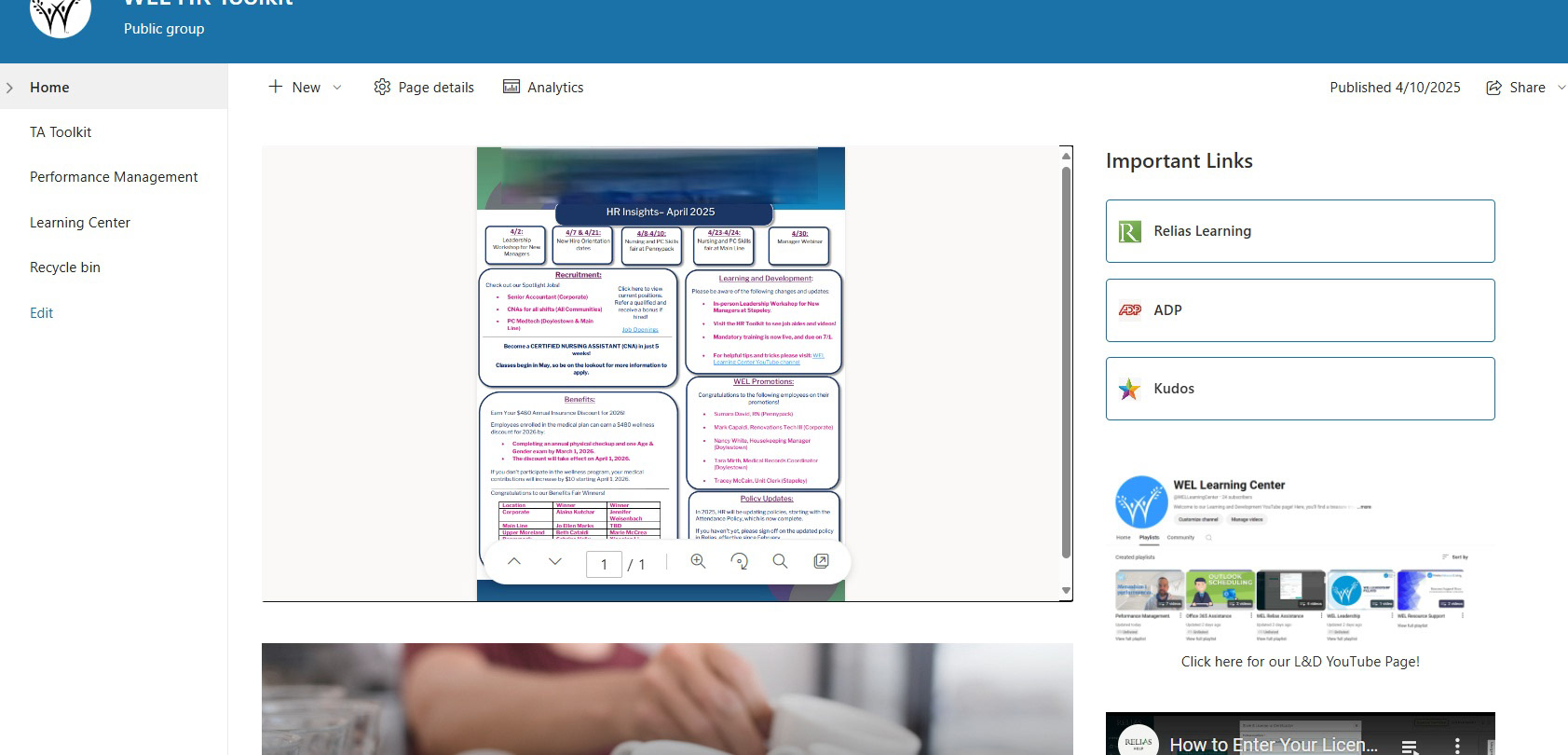
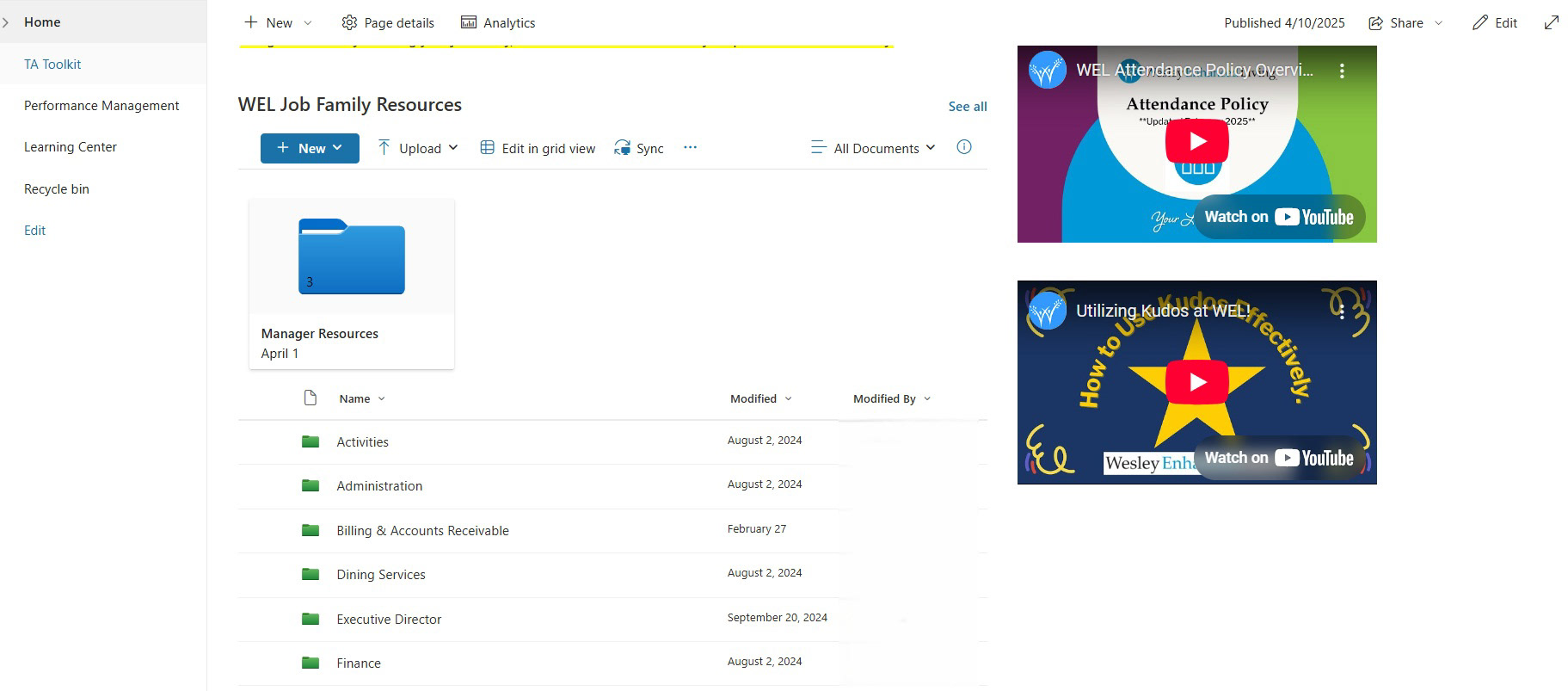
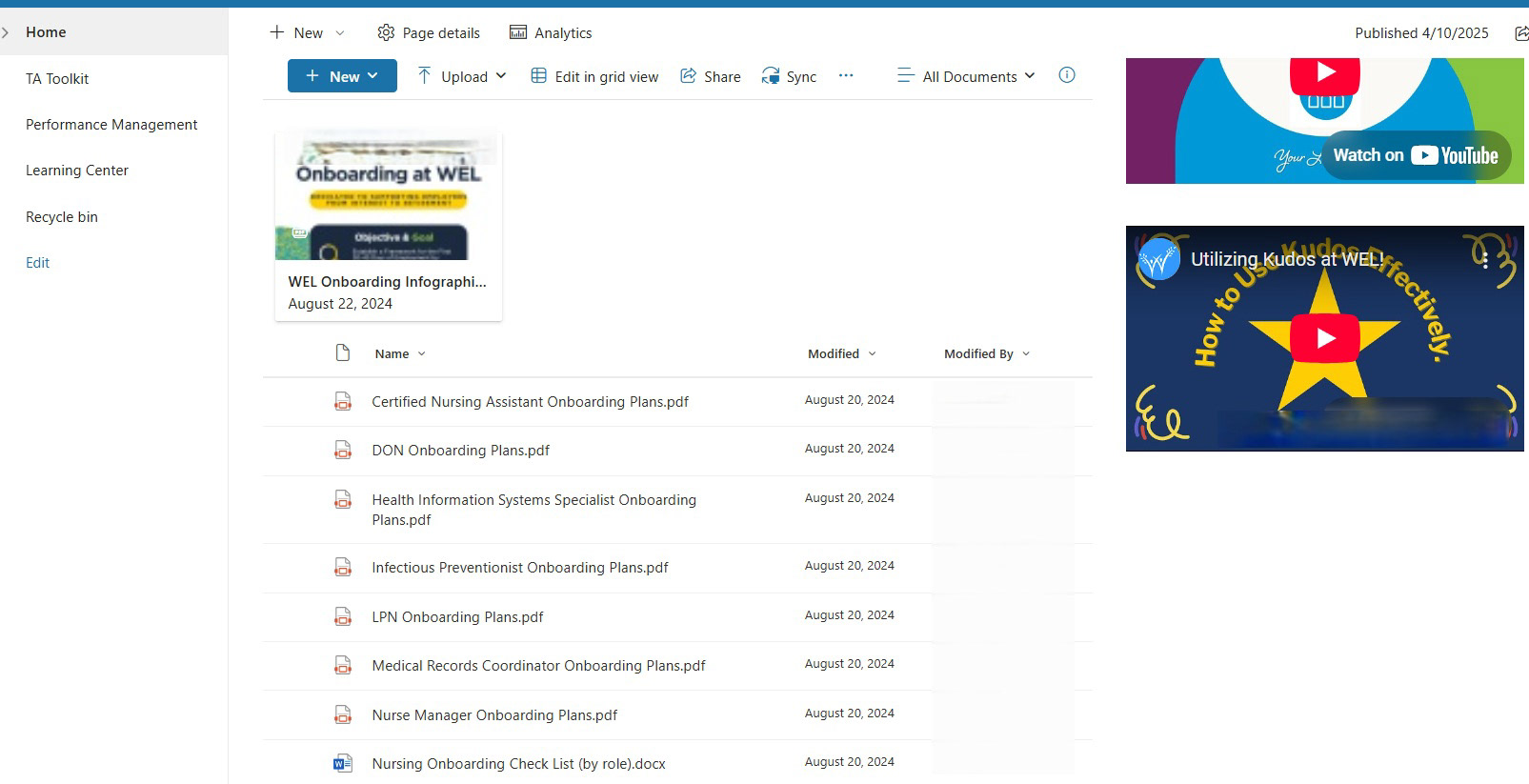
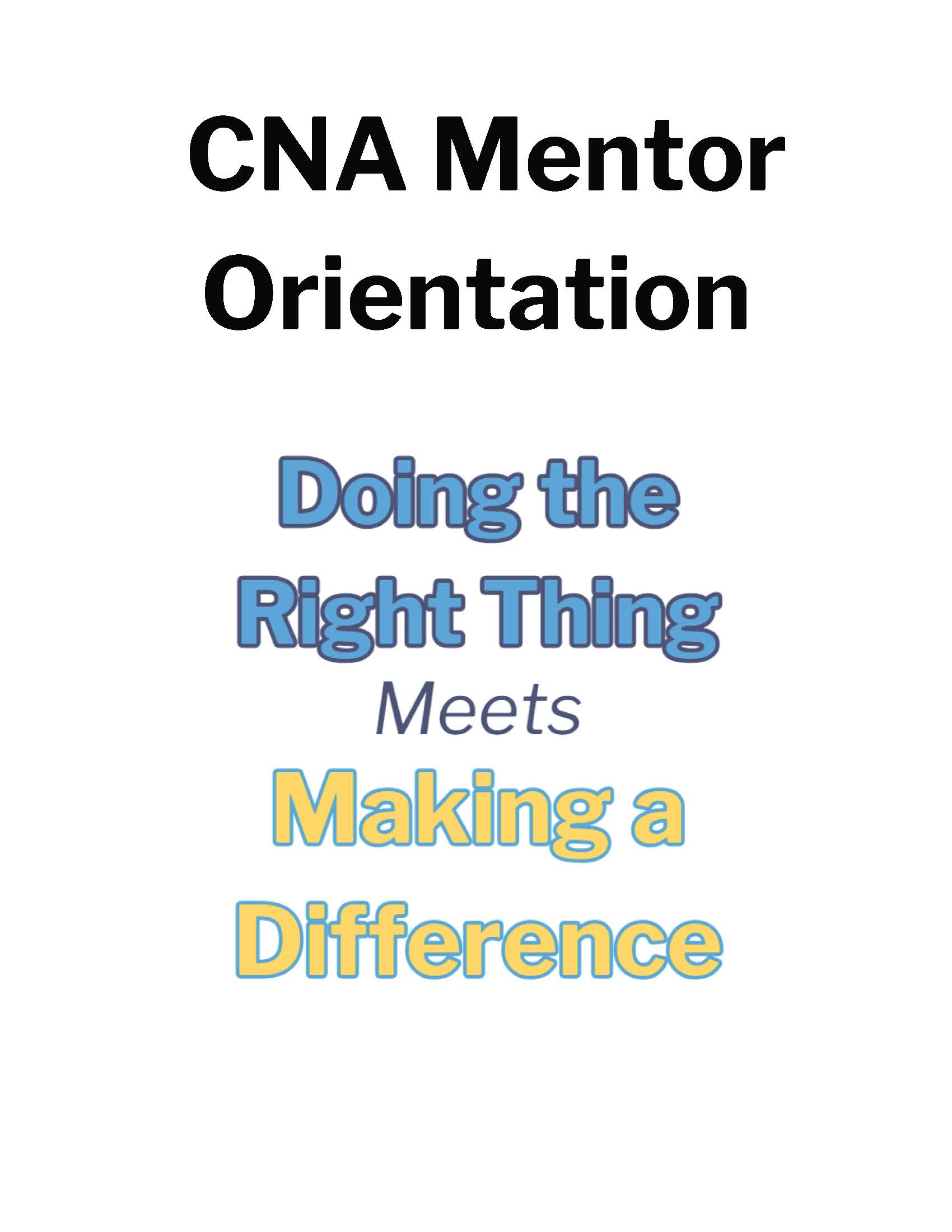
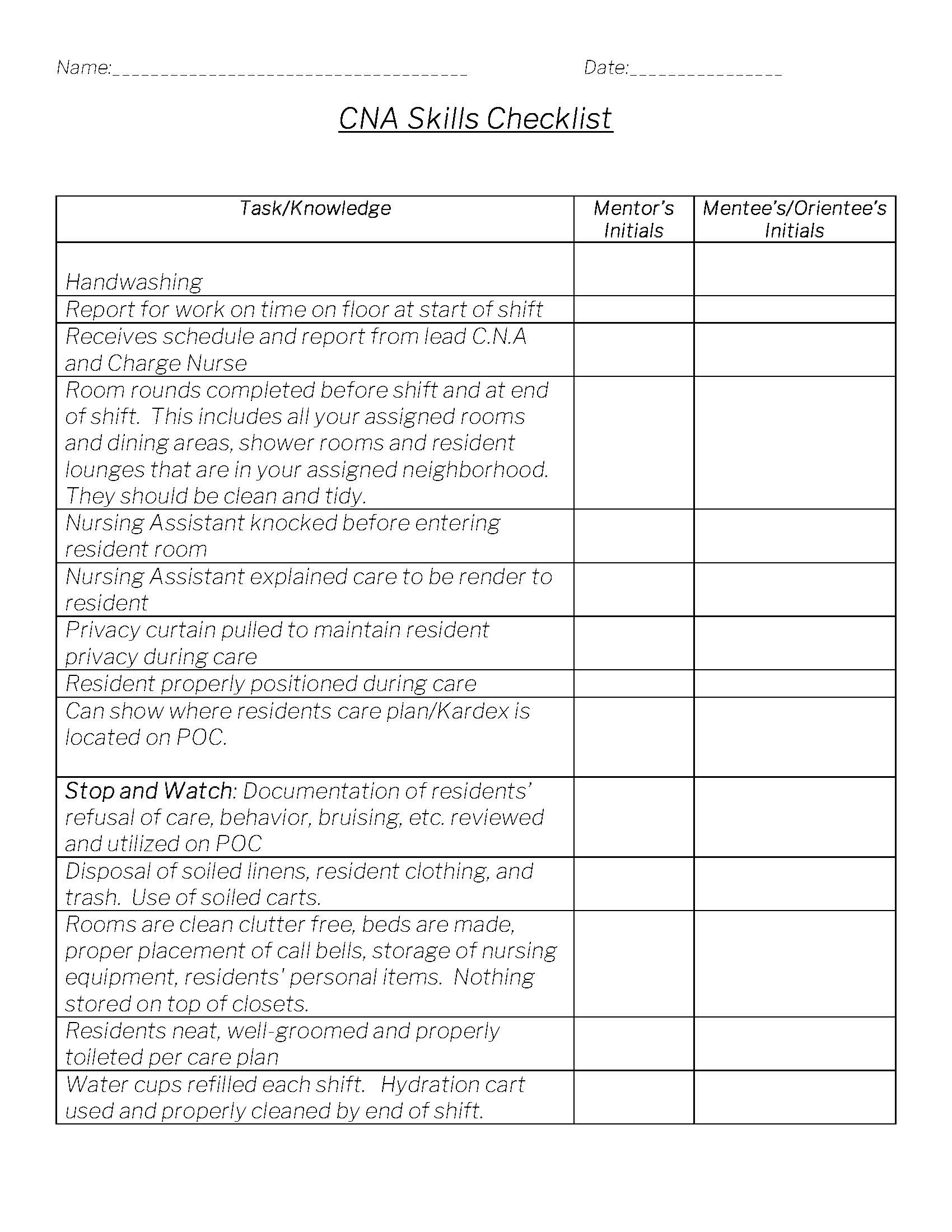
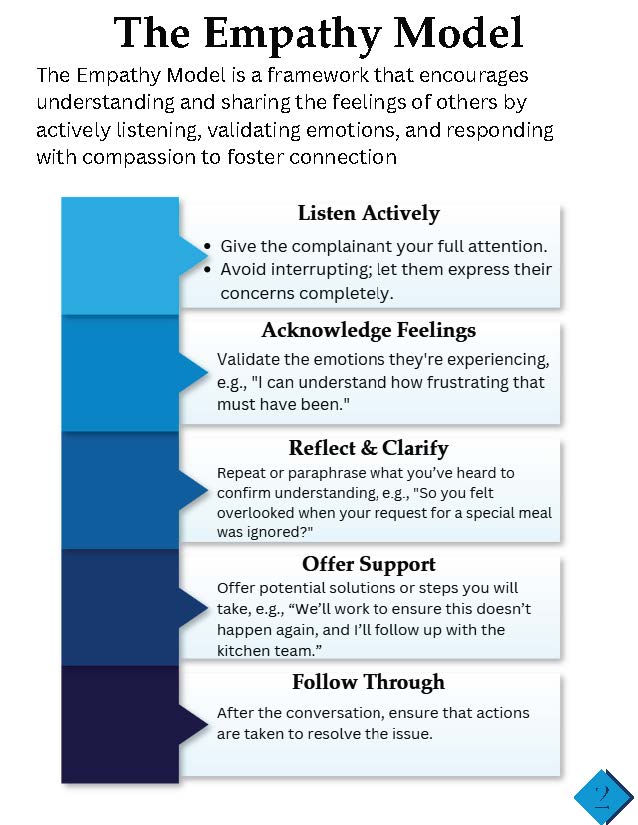
CNA Mentor Orientation — "Doing the Right Thing Meets Making a Difference"
CNA mentors were assigned, not developed. Experienced staff were expected to transfer clinical knowledge through proximity and repetition — no framework for how to mentor, no shared language for feedback, no way to know whether it was working. The quality of every new hire's first 90 days depended entirely on which mentor they happened to get.
The WorkRedesigned the problem at the source: the new hire wasn't the primary learner — the mentor was. Built a complete mentor orientation system from scratch: a clinical skills checklist with dual-column tracking (mentor initials / mentee initials), structured observation progressions, role clarity tools, and a feedback framework that gave experienced CNAs explicit language for what good looks like.
For the first time, mentorship had a shared standard. Something that could be replicated by anyone, evaluated by anyone, and improved over time — rather than lived once and passed on informally by whoever was available that shift.
This wasn't a training problem. It was an infrastructure problem. The question wasn't "how do we onboard new hires better?" It was "where is the highest-leverage point in the system?" The answer was the person doing the training. A well-developed mentor carries better judgment into every shift, every correction, every new hire they ever work with. That impact doesn't show up in one cohort's numbers — it compounds invisibly, long after the program ends.
Building a Learning System for a High-Stakes Performance Organization — Reading Buccaneers
A competitive drum corps with 60+ members and multiple staff cohorts annually. Instructors relied on institutional knowledge passed down informally — no documented curriculum, no shared pedagogical framework, no way to onboard a new brass instructor mid-season or maintain consistency when someone was absent. Learner retention was inconsistent and performance outcomes varied based on who was teaching that day.
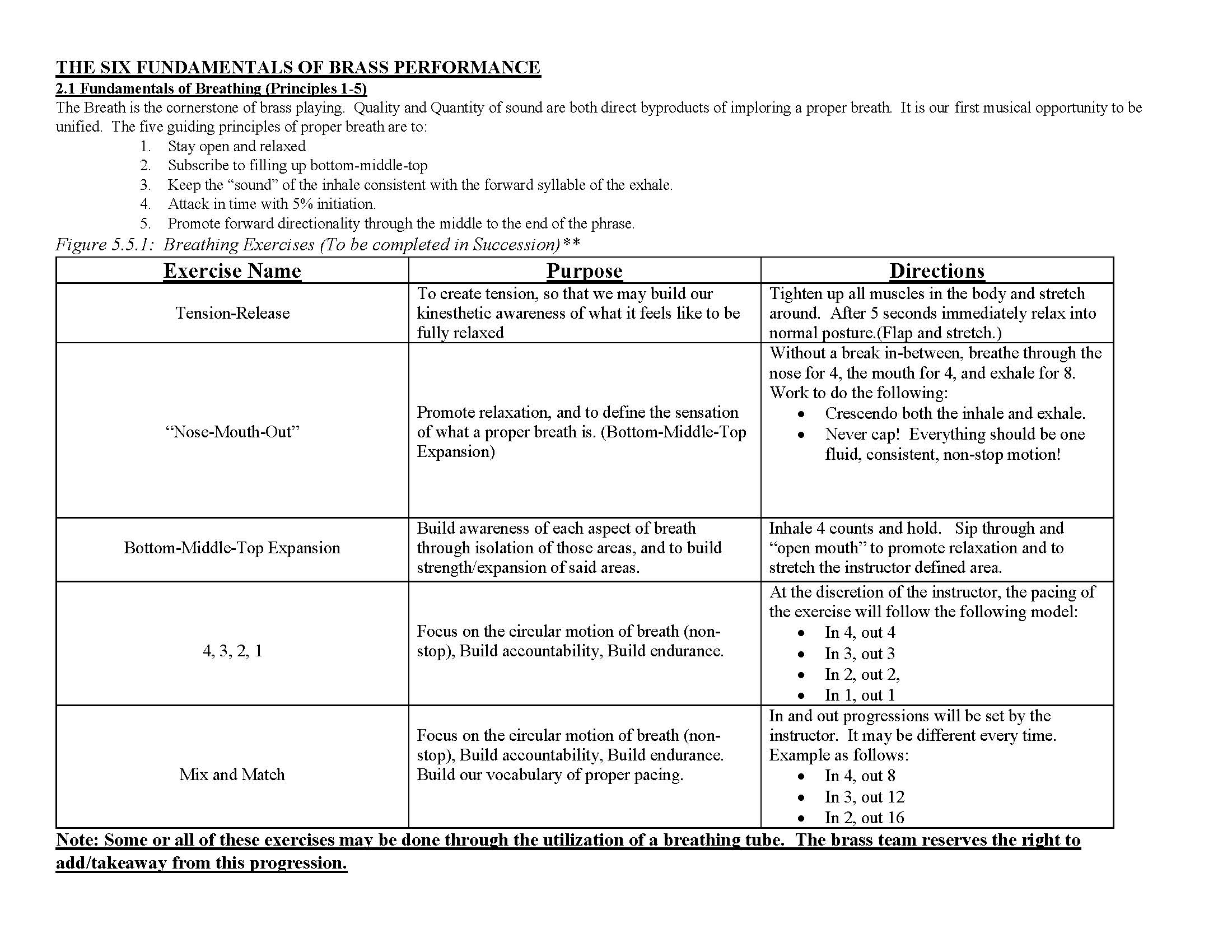
The WorkDesigned and implemented reflection-based faculty development programs to build instructional consistency across staff cohorts. Embedded peer feedback systems and self-assessment tools so instructors could evaluate their own impact. Built scalable onboarding and development frameworks — including a complete staff training manual documenting the Six Fundamentals of Brass Performance, with instructor progressions, rehearsal frameworks, and accountability structures designed to hold regardless of personnel changes.
Every rehearsal decision a brass instructor makes shapes performance outcomes for 60 people. A shared framework means those decisions compound in the same direction — instead of canceling each other out when different staff members have different mental models of what good looks like. The context is different from corporate L&D. The design problem is identical.
Building the Instructional Infrastructure — BVA
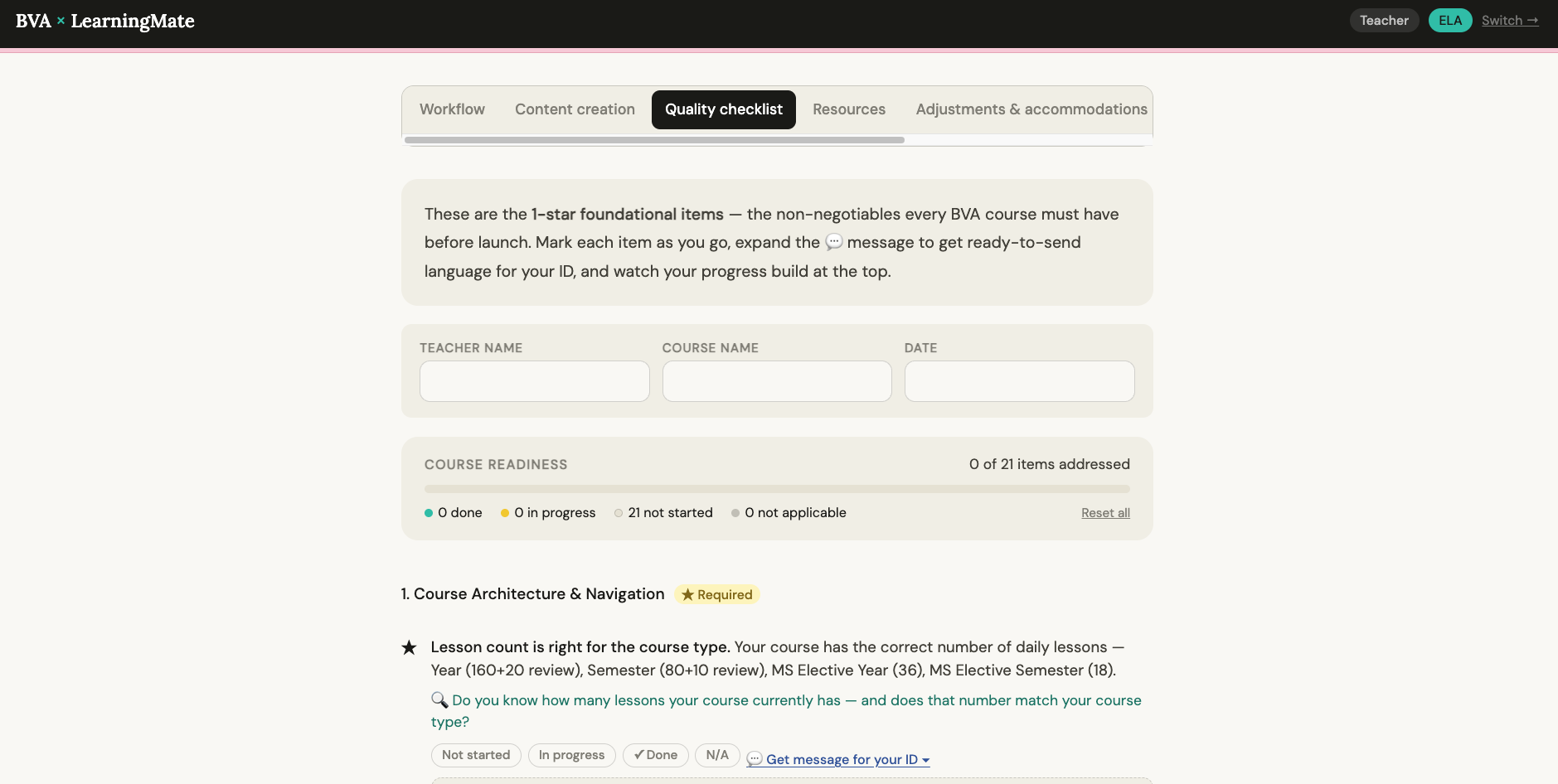
The problem wasn't that instructional designers lacked skill. It was that the system around them had no shared language, no consistent starting point, and no visibility. Each new designer found their own footing inside Canvas. Each teacher interaction reset from scratch. Design challenges accumulated silently because there was no place for them to surface — and no one could see where work was moving or stalling until a deadline was already at risk.
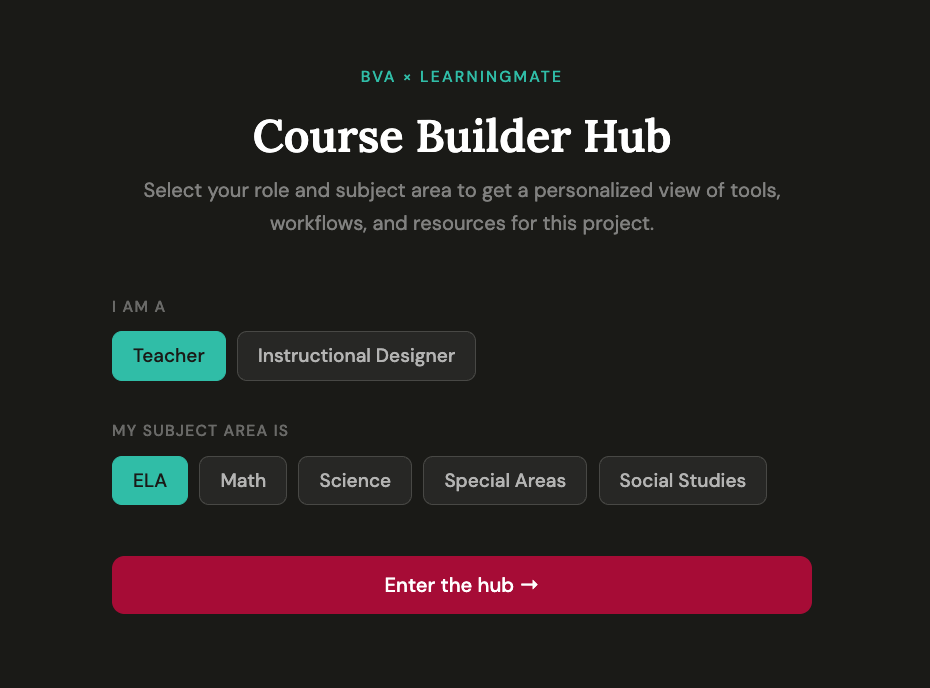
The WorkThe first layer was onboarding — redesigned not as an orientation task but as a systems problem. A 45-day phased blueprint built around a principle the data supports: connection precedes cognition. New IDs move through three stages — Clarity, Connection, Growth — with the Workplace Toolbox providing a documented path through BVA's academic framework, Canvas LMS, and integrated OER tools including CK-12, CommonLit, and TCI. The blank room became a structured entry point.
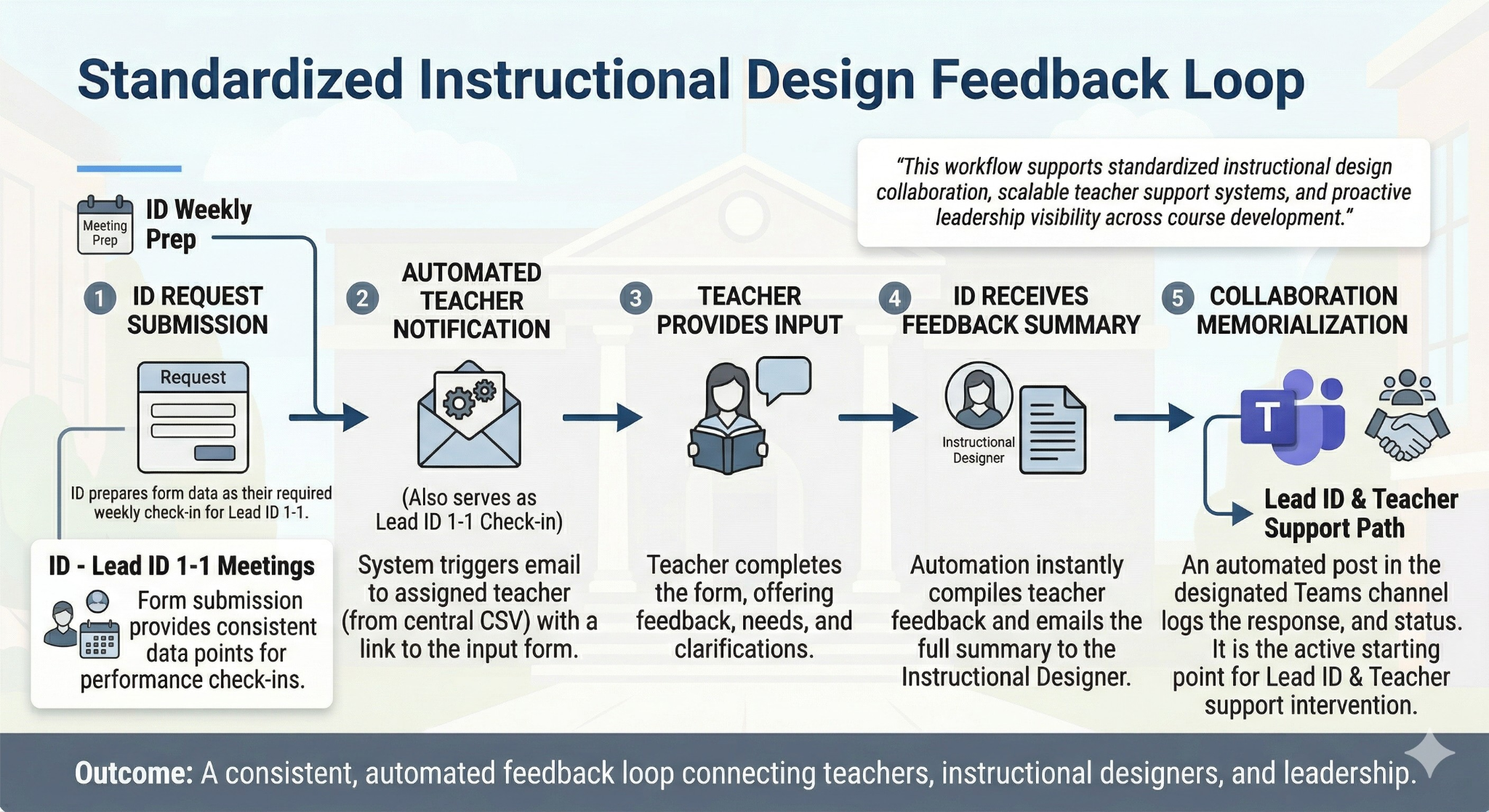
The second layer was communication architecture. A standardized weekly feedback loop routes designer context directly to the assigned teacher through designated Teams channels using Microsoft Forms and Power Automate. The design makes one distinction most organizations avoid: teachers are Subject Matter Experts during design and facilitators during delivery. Naming that distinction explicitly changed the dynamic — educators recognized their dual value, collaboration deepened, and a searchable record of design challenges and teacher needs began accumulating across every active course.
The third was a Project Scope Data Portal giving leadership real-time visibility into where development was moving, where it was stalling, and where intervention was needed before scope or quality broke down.
The feedback loop didn't fix a communication problem — it fixed a visibility problem. When design challenges and teacher needs are centralized in real time, leadership can intervene before scope creep or quality gaps compound. That's a decision infrastructure problem wearing the clothes of a workflow problem. Every cycle adds to a record that makes the next diagnostic faster and the next design decision more grounded.